Behchokǫ̀ is the largest Tłı̨chǫ community, about 2,000 people on the North Arm of Great Slave Lake, 104 km northwest of Yellowknife on Highway 3. Many people still call it Rae-Edzo, after its two parts. The drive takes about an hour and a quarter, and if you have no car, Fullstride runs a weekday shuttle from Yellowknife for $20 one way.
Where is Behchokǫ̀?
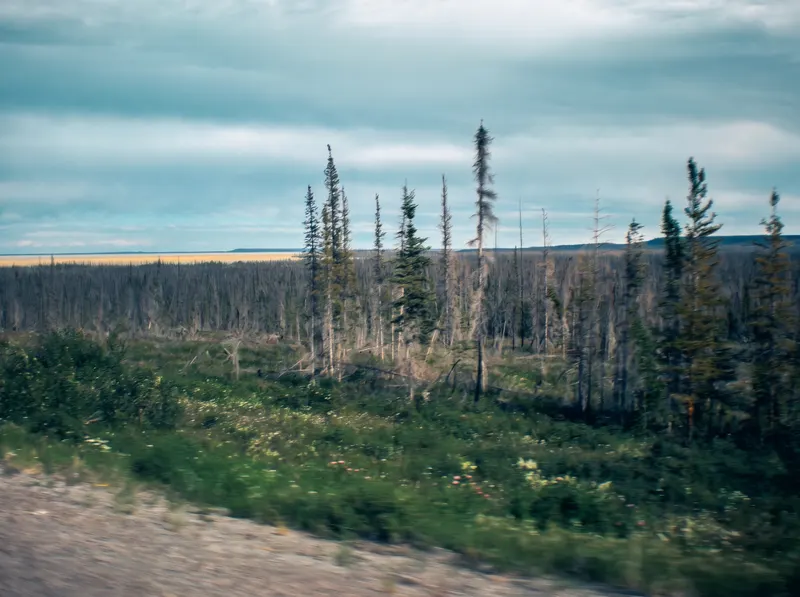
Behchokǫ̀ sits where the North Arm of Great Slave Lake meets Marian Lake, northwest of Yellowknife. From the city you drive west on Highway 3, past the turnoffs for the lakes and cabins on the edge of town, and then through rock, spruce and muskeg until the water opens up again near the community.
It is 104 km by road, and in good conditions the drive takes about 1 hour to 1 hour 15 minutes. Highway 3 is paved the whole way. According to NWT Parks, the main part of the community sits 11 km west of the highway, so you turn off to reach it.
Is Behchokǫ̀ the same place as Rae-Edzo?
Yes. The community was officially renamed Behchokǫ̀ on August 4, 2005, when the Tłı̨chǫ land claim and self-government agreement came into effect. You will still see Rae-Edzo on older maps, in conversation, and on some signs, and you will see Behchoko written without the accents on many websites.
Rae and Edzo are still the names of its two parts, and they are a short drive apart:
- Rae is the larger of the two and the older one, on the lakeshore. It is home to the Tłı̨chǫ Government offices. The name Rae comes from Fort Rae, the old Hudson’s Bay Company post named after the explorer John Rae.
- Edzo was developed from the 1960s, closer to Highway 3. Tłı̨chǫ History says it is named for a great Tłı̨chǫ leader who arranged peace between the Tłı̨chǫ and the Yellowknives. Chief Jimmy Bruneau School is in Edzo.
Before either, many Tłı̨chǫ families lived at Old Fort Rae on the shore of Great Slave Lake. People moved inland because lake travel there was hard and the fishing was better, and gravesites and old houses remain at the old site.
What does the name Behchokǫ̀ mean?
Tłı̨chǫ History and Spectacular NWT, the territory’s official visitor site, both give the meaning as “Big Knife”. Some sources read it as “Behcho’s place”, the place of a man known as Big Knife.
The letters matter. The ǫ is an o with a hook under it, which marks a nasal sound, and the accent on the last letter marks a low tone. If your keyboard will not make them, Behchoko is the accepted plain spelling.
How many people live in Behchokǫ̀?
About 2,000. Spectacular NWT gives about 2,000 and Tłı̨chǫ History about 1,950, and both describe it as the largest Tłı̨chǫ community. NWT Parks calls it the largest Dene community in the Northwest Territories. It is the headquarters of the Tłı̨chǫ Government.
What is there to see in and around Behchokǫ̀?
Behchokǫ̀ is a home community first. People come for work, for family, for school and for events, and a visit goes best when you plan it around one of those. With that in mind, there are good reasons to stop.
North Arm Territorial Park. Right on Highway 3 at about kilometre 232.5, close to Edzo, on the shore of Great Slave Lake. NWT Parks lists a wheelchair-accessible playground, a picnic shelter and outhouses at the day use area. Spectacular NWT calls its beach one of the best in the North, and on a clear night away from the lights it is a place to watch the aurora.
Local art. Spectacular NWT says the Tłı̨chǫ Government office has a storefront selling beaded jackets, mitts and paintings made by local families. Ask at the office for hours.
Community events. Handgames and community gatherings in Behchokǫ̀ draw people from across the territory. Watch local news and the Tłı̨chǫ Government’s own channels for dates.
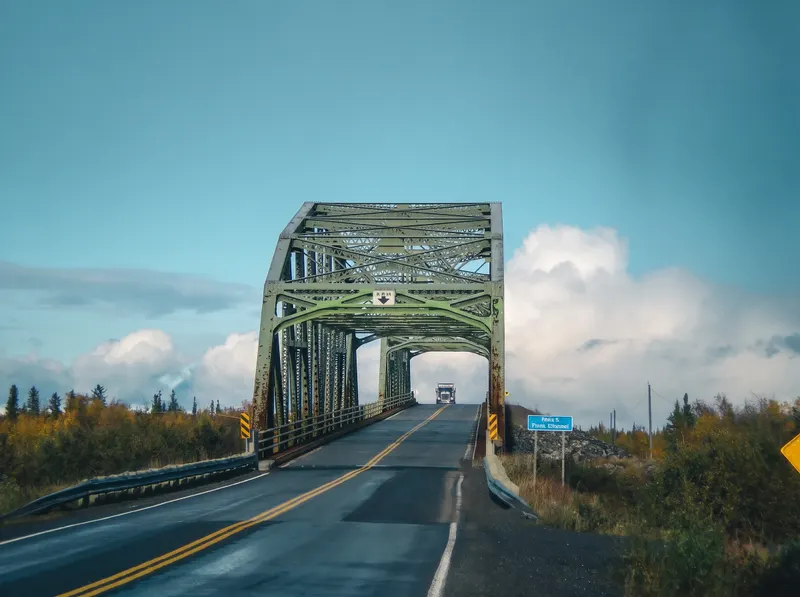
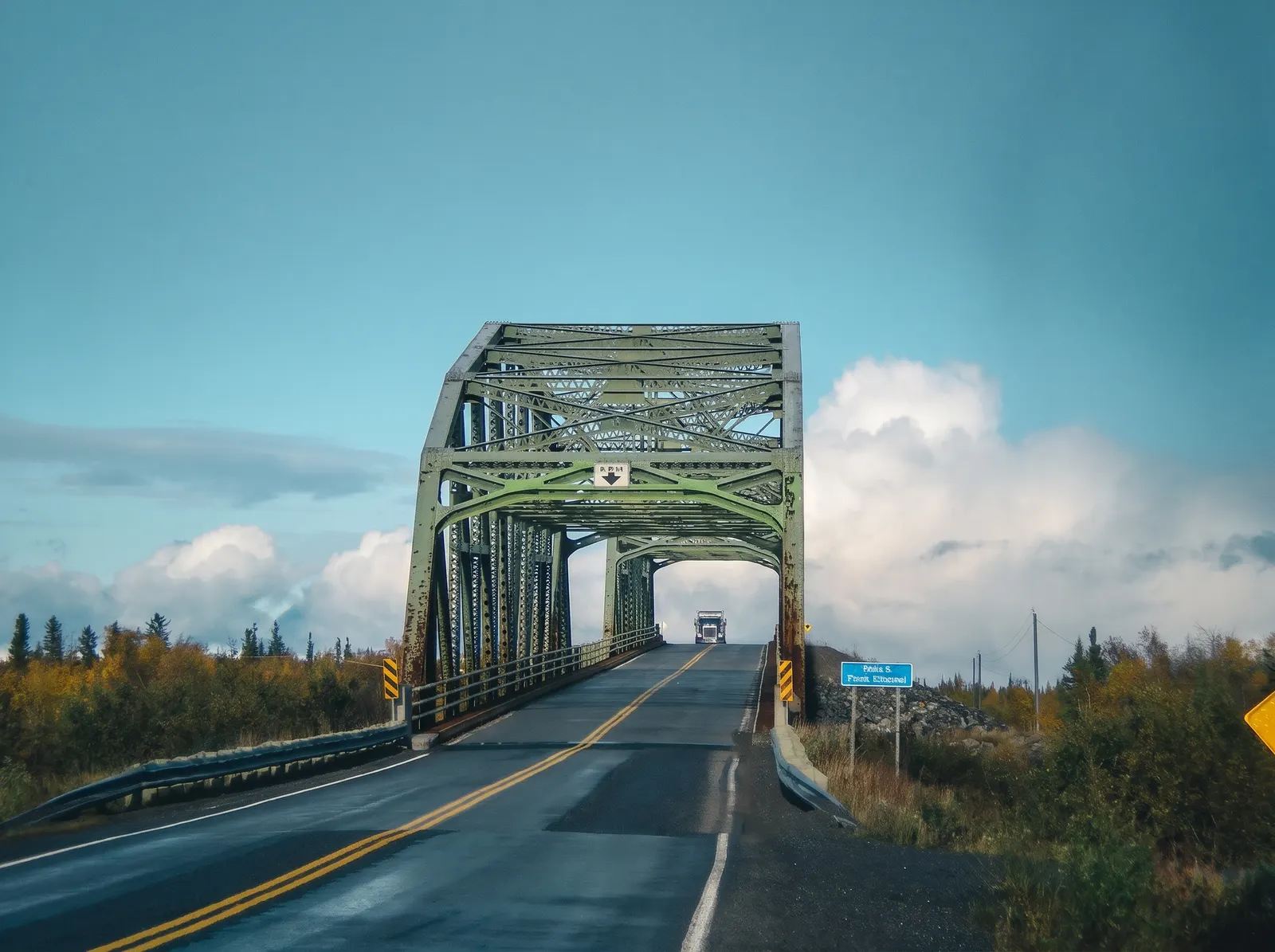
The Frank Channel crossing. The highway crosses the Frank Channel at kilometre 243.8 on a truss bridge built in 1960. The GNWT is replacing it with the Tłı̨chǫ Government: construction started in November 2025, the new two-lane bridge with a walking and cycling path is expected to open in fall 2027, and the work is due to finish in fall 2028. Traffic keeps moving with traffic control in place, so allow a few extra minutes.
A word on manners: ask before you photograph people or homes, and keep to public places unless you are invited.
How do you get to Behchokǫ̀ from Yellowknife without a car?
Yellowknife Transit runs inside the city only (see getting around Yellowknife without a car). For Behchokǫ̀ you have three options with Fullstride, plus a taxi if you are willing to pay for one.
The weekday shuttle. Fullstride’s van leaves Yellowknife in the morning on school days and runs to Chief Jimmy Bruneau School in Edzo, then comes back after school. A seat is $20 one way or $40 return. Its first riders are teachers at the school, and anyone can book a single trip. Details and times are on the Yellowknife to Behchokǫ̀ shuttle page.
The weekend shuttle. Running the other way, from Behchokǫ̀ into Yellowknife, with two return trips a day and stops at Yellowknife Airport, Walmart, a grocery store and downtown. It costs $120 return and is starting soon. See the Behchokǫ̀ weekend shuttle.
A charter. For a group going to a meeting, a sports event or a celebration, the 14-passenger van can be chartered for the day. See charters.
Seats on both shuttles are booked and paid online through GridOps, the shuttle seat booking software the van runs on. You pick the date and the trip, pay by card, and your seat is on the passenger list before the van leaves. Online booking opens soon; until then you can leave your name on the shuttle page and hear the day it opens.
When is the best time to visit?
Summer brings long daylight and an open lake, which suits the beach and the picnic area at North Arm. From late fall to spring, the highway is winter driving, and the aurora is the reason to be out late. Check NWT road conditions on the GNWT’s DriveNWT map before you go in any season. Summer has its own advisories, including wildfire smoke.
If you are going for an event, the event sets the date. If you are going to see the community, a weekday when offices are open makes it easier to find the art storefront and to ask locally about what is on.